 Deutsch
 English
 Türkçe
Did Michael Jordan Get a Hair Transplant? What We Know So Far
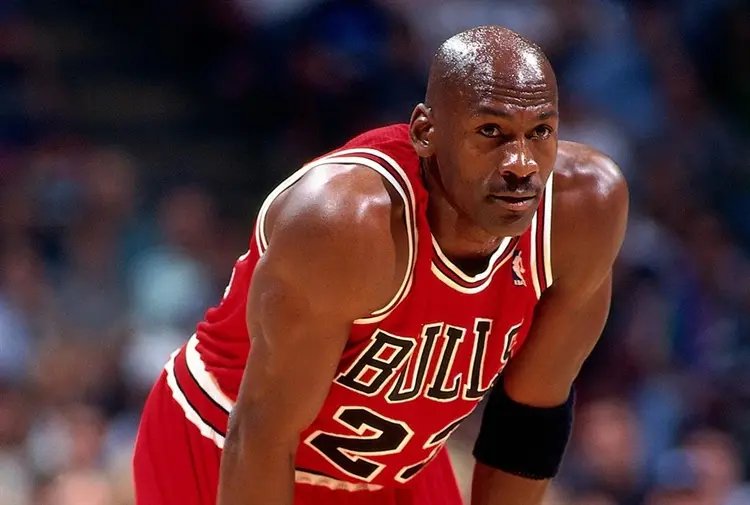
When a sports legend known for a signature aesthetic appears even slightly different, public curiosity naturally peaks. Recently, search trends have shown a noticeable surge in queries like "did Michael Jordan get a hair transplant?" and discussions about his evolving look. While the basketball icon has famously rocked a clean-shaven head for decades, any subtle shift in his appearance immediately sparks debates about cosmetic procedures. Rather than confirming unverified celebrity rumors, analyzing these speculations offers a valuable opportunity to explore how advanced hair loss is actually treated today. Let us dive into the reality of modern restoration and the detailed techniques that make natural-looking transformations possible for anyone seeking to revitalize their hairline.
Key Takeaways
- Michael Jordan has maintained a signature shaved head for years, and there is no confirmed public record of him undergoing a surgical hair restoration.
- Treating advanced hair loss requires comprehensive strategies, often involving precise donor area management and high graft counts.
- Modern techniques like FUE and DHI provide surgeons with exact control over the angle and density of implanted follicles.
- High-profile aesthetic transformations typically involve a combination of surgical techniques and a patient recovery timeline that lasts up to 18 months.
What is publicly visible regarding the Michael Jordan hair transformation?
There is currently no concrete evidence or visible public confirmation that Michael Jordan has undergone a hair transplant. The recent spike in online speculation often stems from lighting differences in photographs, digital edits, or a general societal interest in celebrity aesthetics.
- The signature look: For decades, the sports icon has embraced a smooth, shaved head. This is a highly practical and widely respected aesthetic choice for individuals experiencing advanced male pattern baldness, especially when restoring a full head of hair may not be structurally feasible.
- Public speculation: When audiences search for terms like "michael jordan with hair" or "michael jordan new look," it highlights a growing awareness that modern cosmetic procedures are more accessible and discreet than ever before.
- Who is not a candidate: It is crucial to note that individuals who have extensive hair loss and severely depleted density in the donor area (the back and sides of the head) may not be suitable candidates for full-coverage hair restoration. Advanced Norwood stages require a careful medical assessment to determine if surgery is viable.
If you are exploring options for your own hair restoration, a professional medical evaluation can clarify your specific possibilities.
Free Online Consultation
Get a personalized hair transplant plan
Send clear photos of your hairline, crown, and donor area to request a free online consultation. You will receive a preliminary assessment regarding which technique (FUE or DHI) suits you best and your potential graft count. The final plan is confirmed after your physical examination.
Photo evaluation before arrival · Accommodation and transfers arranged · Recovery process tracking
Which techniques are typically used for celebrity hair transplants?
When high-profile individuals choose to restore a receding hairline or thinning crown, they typically opt for minimally invasive techniques that offer precise control over the final design. The technology behind extraction and implantation has evolved significantly, leaving minimal scarring and allowing for a highly natural outcome.
1. Follicular Unit Extraction (FUE)
An advancement over traditional extraction, FUE utilizes micro-punches to extract individual hair follicles from the donor area. This technique allows the surgeon to make small, precise incisions in the recipient area, reducing tissue trauma and minimizing post-operative scabbing. FUE is exceptionally well-suited for mega-sessions where a large number of grafts are needed to cover extensive thinning.
2. Direct Hair Implantation (DHI)
DHI is a highly specialized technique that alters the implantation phase. Instead of pre-making incisions, extracted follicles are loaded into a medical device known as a Choi Implanter Pen. The surgeon then injects the follicle directly into the scalp. This method provides near-perfect control over the depth, angle, and direction of each hair, ensuring it blends seamlessly with existing native hairs.
What to expect: recovery and timeline for high-profile restorations
A major reason celebrities often hide from the public eye for a few weeks after a procedure is the visible recovery process. Hair restoration requires patience, and the results do not appear overnight. Here is a general timeline of what patients typically experience.
1. The first two weeks: initial healing
During the first few days, the scalp will exhibit minor redness, swelling, and small scabs around the implanted grafts. Patients are usually advised to sleep in a semi-upright position to minimize swelling and protect the newly placed follicles. By the end of the second week, most of the scabbing naturally flakes off, leaving a much cleaner appearance.
2. Weeks three to eight: the shedding phase
Patients often experience "shock loss," a completely normal phase where the newly transplanted hairs shed. This can be alarming, but it is a standard part of the follicle's life cycle as it prepares to grow new, permanent hair. During this time, the scalp may look very similar to how it did before the procedure.
3. Months three to twelve: visible growth
New hair typically begins to emerge around the third or fourth month, initially appearing fine and thin. Between months six and eight, the hair thickens and the coverage becomes noticeably denser. Final, mature results are usually visible around the 12-to-18-month mark, at which point the hair can be cut and styled normally.
Golden rules for choosing the right clinic
Whether you are a public figure or a private individual, selecting the right medical team is the most critical step in achieving a natural, safe outcome. Consider these essential factors before making a decision.
- Transparency and accreditation: Ensure the facility operates under strict medical standards. Reputable clinics are transparent about their licenses and the exact qualifications of their medical staff.
- Who actually performs the treatment: Clarify whether the consultation and procedure are conducted by a dedicated clinic or simply brokered by an agency. Knowing your medical team in advance provides peace of mind.
- Doctor experience: Hair restoration is a blend of medical science and aesthetic artistry. Look for a team with years of focused experience specifically in hair transplantation.
- Documented case examples: A trustworthy clinic will be able to show a comprehensive portfolio of diverse cases, demonstrating their ability to handle different hair types and stages of hair loss naturally.
- Realistic time planning: Ethical providers will give you an honest assessment of what can be achieved in a single session versus what might require a phased approach.
Questions to ask your clinic before you book
Preparing a checklist of questions ensures that you have all the necessary information to make a confident, informed decision regarding your treatment.
- Am I a suitable candidate based on my donor area density and hair loss pattern?
- Which extraction and implantation techniques do you recommend for my specific case?
- How many grafts are safely extractable without overharvesting the back of my head?
- What does the standard aftercare package include, and how long should I stay in the city?
- What is your protocol if the initial grafts do not yield the expected density?
- Will you provide a detailed timeline for the recovery phases?
- Can you explain the exact breakdown of the package factors to avoid any hidden costs?
Post-treatment and the Celyxmed approach
At Celyxmed in Istanbul, hair restoration is approached as a long-term medical commitment rather than a high-volume volume transaction. Every patient receives a personalized evaluation that begins with a detailed in-clinic Hair Matrix analysis, documenting native density, hair thickness, and growth trajectories to establish objective baseline data. Rather than applying a standard template, medical teams design custom strategies that safeguard the permanent donor reserve, ensuring that the back and sides of the head retain a natural, full appearance. Integrated supportive protocols, including specialized medical care and quality-certified complementary therapies, support optimal healing and tissue recovery at every stage of the process.
Free Online Consultation
Get a personalized hair transplant plan
Send clear photos of your hairline, crown, and donor area to request a free online consultation. You will receive a preliminary assessment regarding which technique (FUE or DHI) suits you best and your potential graft count. The final plan is confirmed after your physical examination.
Photo evaluation before arrival · Accommodation and transfers arranged · Recovery process tracking
Frequently Asked Questions
Can someone who has been bald for years get a hair transplant?
Yes, but it depends entirely on the health and density of the donor area (usually the back of the head). If the hair loss is too advanced and the donor supply is insufficient to provide adequate coverage, surgical restoration may not be a viable option. A thorough consultation is required to determine candidacy.
Did Michael Jordan get a hair transplant in 2026?
There are no confirmed reports or credible statements indicating that he underwent a hair transplant in 2026. The rumors largely stem from online speculation and changing digital trends rather than factual medical procedures.
Does a hair transplant leave a large scar?
Modern techniques like FUE and DHI extract individual follicles using micro-punches, which leave tiny, dot-like marks that are virtually undetectable once the surrounding hair grows out. This is a significant improvement over older strip methods that left a noticeable linear scar.
How soon after a transplant can I go back to work?
Most patients can return to non-strenuous work within a week. However, because the initial scabbing and redness can be visible for up to 10 to 14 days, many individuals—especially public figures—choose to take two weeks off or work remotely until the scalp looks cleaner.
Are you curious to find out if your hair loss pattern makes you a strong candidate for modern restoration techniques?
The information provided in this article is for educational purposes only and does not constitute medical advice; individual candidacy and results vary significantly.