
 Deutsch
 English
 Türkçe
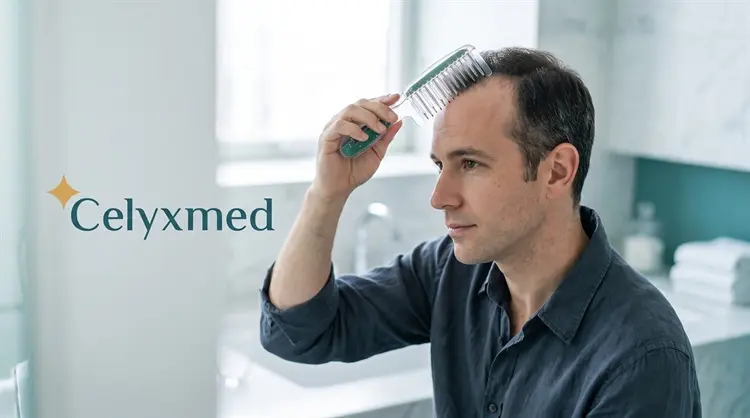
Do Electric Hair Growth Combs Really Work? Bioelectronic Devices vs. Hair Transplants
Experiencing hair thinning can understandably prompt a search for immediate, accessible solutions. Recently, the market has seen a surge in at-home devices, such as electric hair growth combs and bioelectronic laser brushes, frequently marketed across social media as a revolution in baldness treatment. While the idea of a simple, daily combing routine to reverse hair loss sounds incredibly appealing, it is crucial to separate scientifically backed medical treatments from trending commercial gadgets. Understanding the actual evidence behind low-level laser therapy and microcurrent devices is the first step in making an informed decision. This guide explores the realistic capabilities of electric hair growth combs, their clinical evidence level, and how they truly compare to established medical procedures like FUE and DHI hair transplants.
Key Takeaways
- Technological Basis: Bioelectronic combs typically utilize low-level laser therapy (LLLT) or microcurrents, aiming to stimulate scalp blood circulation.
- Limited Clinical Data: Research on these at-home devices is ongoing; they present limited clinical data and cannot reverse advanced genetic baldness.
- Physical Restoration: For areas with complete hair loss, FUE and DHI hair transplants remain the globally accepted, evidence-based medical solutions.
What is a Bioelectronic Hair Growth Comb and How Does it Work?
Electric hair growth combs are portable, at-home devices designed to deliver low-level light, laser therapy, or micro-electrical currents to the scalp. The core concept is to boost cellular activity and increase blood circulation around the hair follicles, theoretically supporting weakened hair shafts.
- Cellular stimulation: Aims to provide existing, weakened follicles with increased oxygen and nutrients by stimulating the scalp's capillaries.
- Early-stage thinning: Often positioned as a supportive, long-term routine for individuals experiencing the very early stages of hair miniaturization.
- Who is NOT a suitable candidate: Individuals with advanced genetic hair loss (androgenetic alopecia) or completely bald areas where the follicles are no longer viable will not see new hair growth from these devices.
Free Online Consultation
Get information on your personalized hair transplant plan
Request a preliminary evaluation by sending clear photos of your hairline, crown, and donor area. Receive initial information about the suitable technique (FUE or DHI) and your potential graft count. Final planning is confirmed after a physical examination.
Pre-arrival photo evaluation · Accommodation and transfer organization · Recovery tracking
Why is Hair Restoration in Turkey So Popular?
Rather than relying on unproven commercial gadgets, thousands of patients travel to Turkey annually for permanent, medical hair restoration. Istanbul has emerged as a leading global hub for these procedures.
- Extensive physician experience: High case volumes have allowed medical teams to refine their surgical techniques, particularly in complex FUE and DHI procedures.
- Advanced technology: Clinics frequently utilize high-end diagnostic tools and precise implanter pens to ensure accurate, natural-looking hairlines.
- Health-tourism infrastructure: Patients benefit from end-to-end organizations, where pre-arrival planning, accommodation, and VIP transfers are seamlessly integrated into the medical journey.
If you are considering a permanent solution for hair loss, reaching out for a professional evaluation can clarify your options.
Treatment Comparison: Electric Comb vs. Hair Transplant
When evaluating baldness treatments, understanding the mechanism of action is essential. At-home bioelectronic combs and surgical hair transplants are not direct substitutes; they operate on entirely different principles.
| Comparison Factor | Bioelectronic / Electric Comb | FUE / DHI Hair Transplant |
|---|---|---|
| Mechanism of Action | Aims to stimulate existing, weakened follicles with light or currents. Cannot create new follicles. | Physically relocates healthy, DHT-resistant hair follicles from the donor area to the balding areas. |
| Clinical Evidence Level | Limited clinical data. Results vary significantly, and research on long-term efficacy is ongoing. | A standardized surgical procedure with decades of clinical evidence and proven, predictable results. |
| Application Process | Requires consistent, ongoing personal use at home for months or years to maintain any potential benefit. | Typically completed in a single session (sometimes two) by a specialized medical team in a clinic setting. |
The most effective approach depends entirely on your specific stage of hair loss, which should be confirmed after a personal medical examination.
Which Hair Restoration Method is Right for You?
Choosing the correct treatment path is critical to avoiding wasted time and frustration.
1. Early-Stage Thinning
For individuals noticing a general loss of volume and very early signs of thinning, electric combs, topical solutions, and medical aesthetic treatments like PRP or mesotherapy might be used as a supportive routine. However, the effectiveness of these non-surgical methods heavily depends on the individual's metabolism.
2. Advanced Hair Loss and Receding Hairlines
For those experiencing a significantly receding hairline, a widening crown, or extensive baldness, external stimulating devices are insufficient. In these cases, FUE or DHI hair transplants are the only medically viable approaches capable of providing physical hair restoration.
3. Post-Transplant Support
After a hair transplant and once the scalp has fully healed, some patients incorporate supportive therapies—such as medical-grade LLLT or mesotherapy—into their routine to help maintain the quality of their native hair, always under their doctor's guidance.
Golden Rules for Choosing the Right Clinic
If you decide to move past at-home gadgets and pursue a permanent medical procedure, selecting the right healthcare provider is critical.
- Transparency and accreditation: Ensure the facility operates within recognized medical standards and partner hospitals, not just a commercial office.
- Dedicated medical teams: Clarify whether an experienced, dedicated medical team is handling the extraction and implantation, rather than a rotating agency staff.
- Doctor experience: Look for a team with years of focused practice in hair restoration and a deep understanding of facial anatomy.
- Documented case examples: Ask to review the concept of documented case examples to understand the clinic's approach to natural hairline design and density.
- Realistic time planning: A reputable clinic will explain the full 12-to-18-month recovery timeline honestly, rather than promising immediate, unrealistic results.
Free Online Consultation
Get information on your personalized hair transplant plan
Request a preliminary evaluation by sending clear photos of your hairline, crown, and donor area. Receive initial information about the suitable technique (FUE or DHI) and your potential graft count. Final planning is confirmed after a physical examination.
Pre-arrival photo evaluation · Accommodation and transfer organization · Recovery tracking
What to Expect: Recovery and Realistic Timelines
Managing expectations is vital. While using an electric comb requires a lifelong routine with uncertain results, a hair transplant follows a clear, biological healing timeline.
1. The First Weeks (Days 1 to 14)
Following a hair transplant, slight swelling and scabbing are normal. Clinics provide specific washing protocols to protect the grafts. The implanted hairs will typically shed within the first month—a natural phase known as shock loss, indicating the follicles are entering a resting state.
2. The Growth Phase (Months 3 to 6)
Around the third month, new hair begins to emerge slowly from the transplanted follicles. By the sixth month, patients usually notice a significant increase in density, coverage, and hair shaft thickness.
3. Final Maturation (Months 12 to 18)
The transplanted hair continues to mature and integrate naturally with your existing hair. The final aesthetic outcome, showcasing the permanent results of the restoration, is typically evaluated after a full 12 to 18 months.
Post-Treatment and the Celyxmed Approach
At Celyxmed in Ataşehir, Istanbul, our hair transplant team brings over 15 years of focused experience to every patient's journey. Having coordinated over 10,000 treatments, we provide comprehensive care, arranging everything from initial online photo evaluations to accommodation and VIP transfers. We ensure that our international patients receive detailed aftercare instructions and ongoing support long after they return home.
You can contact us for a free online consultation to discuss your personalized hair restoration options.
Frequently Asked Questions
Do bioelectronic hair growth combs really work?
While some studies suggest low-level laser therapy might increase blood flow and support thinning hair, clinical data remains limited. They do not generate new hair follicles in areas that are already completely bald, and research regarding their long-term efficacy is still ongoing.
Can an electric comb work on a completely bald head?
No. Once a hair follicle has died and the scalp is completely bald, external stimulation from lasers or microcurrents cannot produce new hair. In such advanced cases, physical follicle relocation via a hair transplant is the recognized medical solution.
Are cheap electric combs bought online safe to use?
Many unbranded devices sold online lack proper medical certification or regulatory clearance (such as FDA approval). Using unverified electronic devices on your scalp may risk dermatological irritation and typically offers no therapeutic value.
Can I use a laser comb after a hair transplant?
Once the initial healing phase is complete and the scalp has fully recovered (usually several weeks to months post-op), some doctors may allow the use of supportive therapies. However, you should only use such devices with the explicit approval of your surgical team.
Navigating the myriad of hair loss treatments requires moving past commercial trends and focusing on proven medical solutions. Are you ready to discover a scientifically backed treatment plan tailored to your actual hair loss stage?
This information is for educational purposes only and does not substitute for professional medical advice; individual results vary, and research on emerging bioelectronic devices is ongoing.