
 Deutsch
 English
 Türkçe
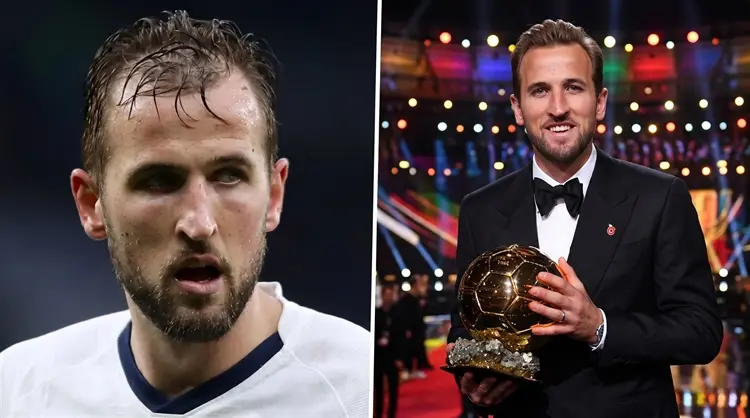
Did 2026 Ballon d'Or Winner Harry Kane Get a Hair Transplant?
At the 2026 Ballon d'Or ceremony, one of the most prestigious football awards in the world, all eyes were not only on the trophy winner but also on the athletes' styles. When star player Harry Kane took the stage, his frontal hairline appearing denser and more prominent compared to previous years sparked a new debate in the sports tabloid world: Did Harry Kane get a hair transplant? Professional athletes generally prefer minimally invasive aesthetic procedures with predictable recovery times due to their busy match and training schedules. Although exact medical records are kept confidential, such natural changes reflected in public photos are typically the result of modern hair restoration techniques. In this guide, we explore the popular hair transplant methods that shape the new images of footballers, the recovery stages, and the process of safely returning to the pitch.
Key Takeaways
- Publicly visible changes in an athlete's hairline are usually achieved through techniques like FUE or DHI, which do not leave linear scars.
- Following a hair transplant, professional footballers must adhere to a strict, doctor-approved timeline, especially before returning to heading the ball in training.
- A successful hair restoration requires not only filling in the bald areas but also designing a frontal hairline with natural angles that suit the individual's facial features.
What do the Harry Kane hair transplant rumors entail?
Rumors in the sports world and comments based on press photos indicate that 2026 Ballon d'Or winner Harry Kane's recession in the temple areas (frontal zone) has visibly decreased. Since the medical records of an athlete or public figure are confidential, no exact procedure can be confirmed; however, such observable changes are typically explained by hair transplant procedures. Lowering the frontal hairline or filling in the "V" shaped recessions at the temples are among the most common requests in hair restoration surgery.
Who is a suitable candidate for a hair transplant?
A hair transplant is a permanent restoration option for individuals whose hair loss pattern has stabilized and who have enough healthy roots in their donor area. The patient's general health condition and scalp structure must be analyzed in detail before the procedure.
- Those experiencing hereditary hair loss: It is the process of transferring roots from the nape area, which are genetically resistant to shedding, to the thinning areas.
- Those with an adequate donor area: There must be enough hair follicles at the back of the head to achieve the targeted density.
- Those with a healthy scalp: Individuals without active infections or severe dermatological conditions.
The procedure is not a suitable option for individuals with active scalp diseases or whose expectations do not align with their donor area capacity.
You can contact us for an online preliminary evaluation to learn about the options suitable for your hair loss type.
Methods: How is a footballer's hairline restored?
Because athletes do not want a horizontal scar at the back of their heads when wearing short hair (as with the FUT method), they generally prefer techniques based on the principle of individual graft extraction.
1. FUE Hair Transplant (Follicular Unit Extraction)
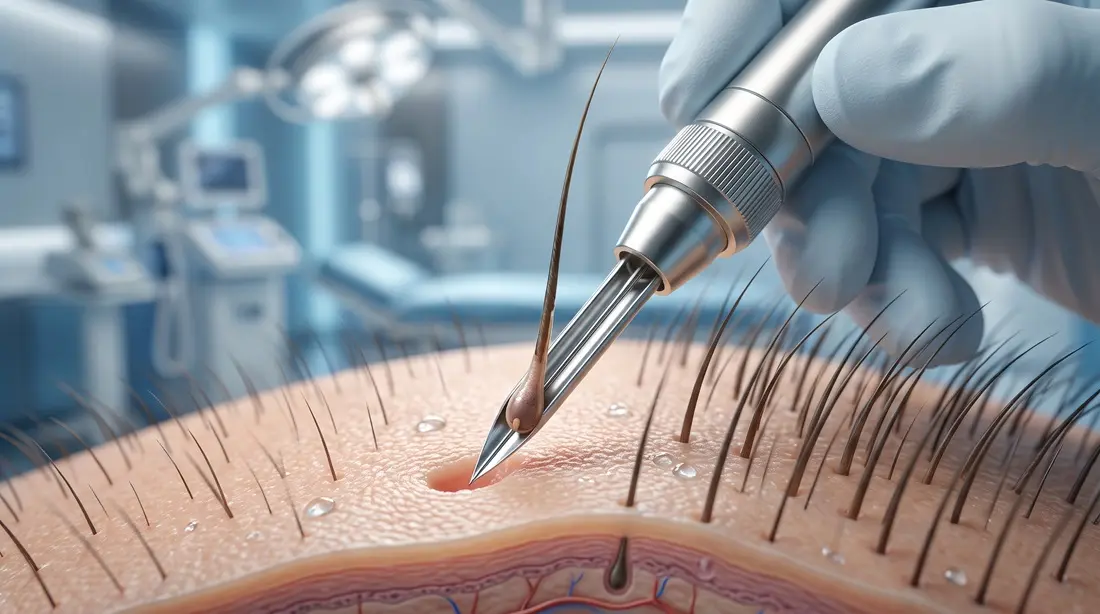
In this method, hair follicles are extracted one by one from the nape area using medical devices called micromotors and are implanted into micro-channels opened in the bald area.
- Who it suits: Cases requiring the coverage of larger areas or the transfer of a high number of grafts.
- Limitation: Shaving the hair is usually required for accurate planning and hygienic extraction.
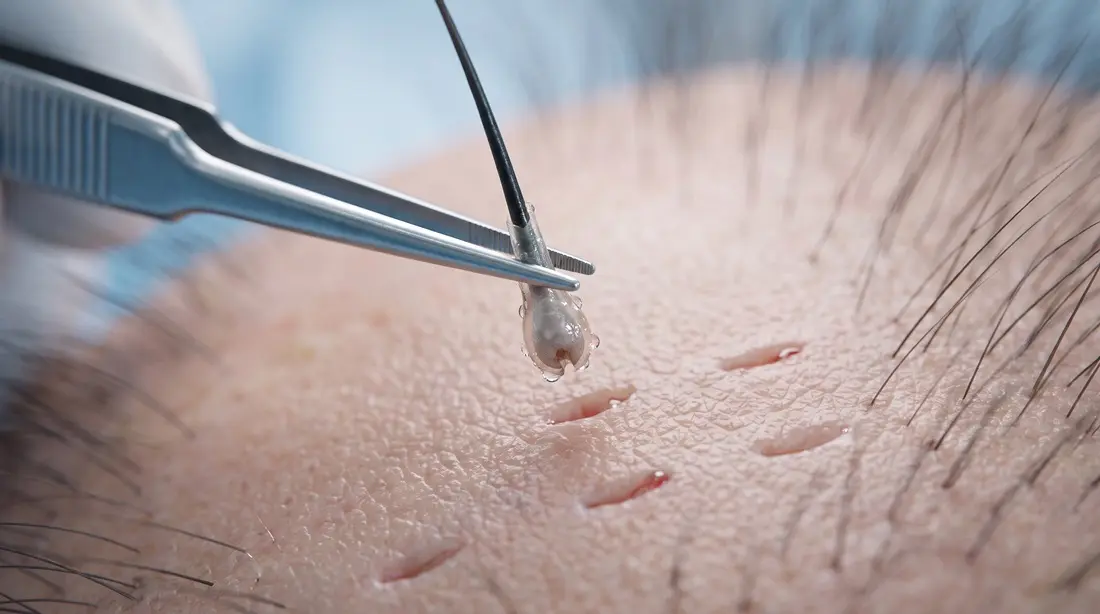
2. DHI Hair Transplant (Direct Hair Implantation)
In the DHI method, the extraction phase of the roots is the same as FUE. The difference is that the collected roots are placed into special implanter pens called "Choi," and the channel opening and implantation processes are performed simultaneously in a single step.
- Who it suits: Individuals who want to increase density in the frontal hairline or plan for an unshaven transplant among existing hair.
- Limitation: Due to the precision of the application, the procedure takes longer and may require multiple sessions for large bald areas.
Factors affecting hair transplant prices
It is not possible to speak of a standard package price for hair transplant procedures. Costs are shaped entirely according to the individual's needs and the details of the operation to be performed.
| Cost Factor | How it Affects the Price | What to Ask the Clinic |
|---|---|---|
| Technique Used | The medical pens (Choi) used in the DHI method and the intensive labor required by the procedure can change the overall cost profile. | Which technique is medically more suitable for my hair loss pattern? |
| Graft Count and Duration | As the number of required follicles increases, the time the procedure takes in the clinic and the need for medical supplies also increase. | How many grafts can be safely extracted from my donor area? |
| Clinic Facilities | Performing the procedure in well-equipped and officially licensed healthcare facilities at high medical standards affects the pricing structure. | What medical devices and sterilization standards are used during the operation? |
Exact procedure requirements and planning can only be clarified after a detailed examination by a doctor.
What should you know when choosing the right clinic?
Choosing the right institution is of great importance for a natural frontal hairline and healthy donor area management.
- Transparency and licensing: Make sure the center you choose is a medical institution approved by the Ministry of Health.
- Who performs the procedure: Confirm that the consultation and procedural steps are directly managed by experienced healthcare professionals.
- Doctor experience: Prefer teams with extensive experience, especially in hair loss anatomy and hair growth directions across different head structures.
- Realistic time planning: Reliable clinics honestly explain that hair will not grow immediately and that the process is a cycle spanning a year.
- Materials used: Request information about the quality standards of the medical consumables used in the surgical environment.
Questions to ask your clinic
- How will the design of my frontal hairline be determined according to my facial features?
- What kind of recovery process will my donor area go through after the procedure?
- What methods are used to increase comfort during local anesthesia application?
- When does the shock loss phase begin after the procedure?
- When can I switch to using normal shampoo?
- How does the clinic's medical follow-up process work after the operation?
Recovery process and return to the pitch: What to expect?
For professional footballers or individuals who engage in intensive sports, returning to the field after a hair transplant must be carefully managed for the health of the grafts.
Days 1 to 7: Critical Protection Phase
In the first week after the procedure, mild redness and scabbing are seen in both the extraction and implantation areas. Patients must protect their head area, avoid exertion that will cause sweating, and use special washing lotions. Physical training must be strictly avoided during this period.
Weeks 2 to 4: Shock Loss and Light Training
After the scabs are completely cleared, the transplanted hair strands usually enter a temporary shedding phase (shock loss). The hair roots are safe under the skin. During this period, light-paced cardio or walking exercises can be started subject to doctor approval.
Contact Sports and Heading the Ball
Footballers returning to the green fields at full capacity requires patience. Duels, excessive exertion, and especially the act of heading the ball can cause trauma to the hair roots. Therefore, it is generally recommended to wait 6 to 8 weeks before returning to training and matches involving heading, with the final decision made through doctor check-ups.
Post-treatment and the Celyxmed approach
At Celyxmed, in our clinic in Ataşehir, Istanbul, we manage our patients' treatment processes with high medical standards. Our hair transplant team, with over 15 years of experience, plans the most suitable natural hair restoration for the patient's facial anatomy. With over 50 experts working in our various medical departments and a procedure volume exceeding 10,000, we adopt the principle of transparency at every stage of the process. We continue to support your recovery process with detailed online evaluation before the procedure and regular medical follow-up after the procedure.
You can request an online preliminary evaluation to discuss your personal hair restoration options.
Frequently Asked Questions
When can one start playing football after a hair transplant?
Although light running training can usually begin within a few weeks, a period of 6 to 8 weeks is generally recommended for returning to sports like football that carry a risk of head trauma, require duels, and involve heading the ball. Your doctor must decide the exact duration.
Is the FUE hair transplant a painful procedure?
Since the operation is performed entirely under local anesthesia, no pain is felt during the extraction or implantation of hair roots. There may only be a brief feeling of pressure while anesthesia is applied at the beginning of the procedure. Mild aches that may occur during the recovery period are easily managed with prescribed standard painkillers.
What is shock loss and does everyone experience it?
Shock loss is a physiological process that starts on average 2-4 weeks after the hair transplant operation, during which the transplanted hair strands shed. It is seen in the vast majority of patients and does not mean the operation has failed. The roots remain protected under the skin and start producing new hair strands within months.
Does a hair transplant leave a scar?
In the FUE and DHI methods, since the roots are extracted with micro tools (punches), no distinct line or stitch mark forms at the back of the head. When healing is complete, only microscopic white dots remain in the donor area, which do not pose an aesthetic problem even when wearing short hair.
Are you ready to learn about permanent solutions suited to your hair loss type and plan your treatment process?
The information provided in this article is for general informational purposes only and is not a substitute for professional medical advice; results may vary depending on individual circumstances.