
 Deutsch
 English
 Türkçe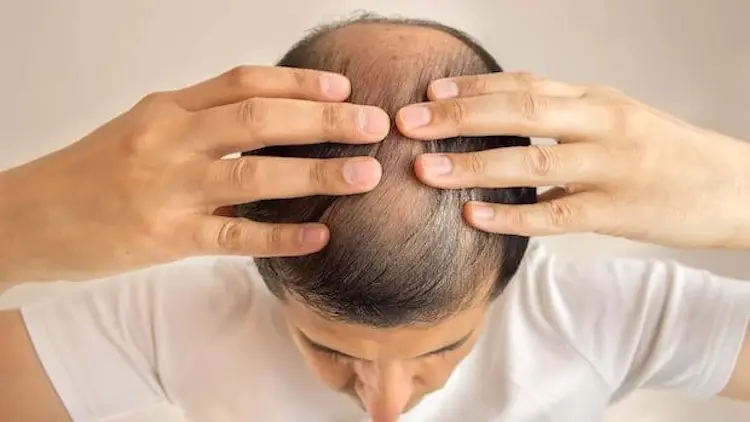
Finasteride for Hair Loss: What is Finasteride?
Finasteride has become one of the most searched topics, especially among men dealing with hair loss. So, what exactly is finasteride, what does it do, can it really stop hair loss, and how serious are its side effects? In this guide, the topic is explained in a clean, simple, and professional way.
What Does Finasteride Do?
“What does finasteride do?” is usually the first question people ask when they begin researching this medication. The truth is, finasteride is not a basic product with only one purpose. Its most common use is treating male pattern hair loss, but it is also used in the treatment of benign prostate enlargement. So while it is often associated with cosmetic concerns, it actually has a strong medical background.
Finasteride works by reducing the activity of the 5-alpha reductase enzyme, which converts testosterone into a more potent hormone called DHT (dihydrotestosterone). In people who are genetically prone to hair loss, DHT gradually weakens hair follicles. Finasteride helps interrupt that process and reduces the hormonal pressure placed on the follicles. That is why calling it a “magic hair growth pill” is misleading. A more accurate description would be a targeted treatment that helps protect the hair you still have.
This medication stands apart from ordinary cosmetic products because it addresses the underlying cause of hair loss. Shampoos and serums may improve the appearance of the hair shaft, soothe the scalp, or create a temporary feeling of fullness. Finasteride, on the other hand, works on the hormonal mechanism itself. Expectations should be built around that reality: the goal is to slow down hair loss, help stabilize it in many users, and improve hair quality in suitable candidates.
Its Effects on Hair Loss
Finasteride is discussed so often in the hair loss world because it focuses directly on the source of the problem. In male pattern hair loss, hair follicles gradually shrink, the hair strands become thinner, and the growth cycle gets shorter. Over time, strong and thick hairs are replaced by weaker, finer, and shorter-lived strands. Finasteride is designed to slow that progression down.
In many users, the first few months may include a temporary increase in shedding, often referred to as “shedding.” This can be alarming at first, but in some cases it may be connected to a shift in the hair cycle. After that, people often begin to notice reduced hair loss within 3 to 6 months, followed by clearer improvements in thickness and density between 6 and 12 months. That is why anyone using finasteride should not expect a dramatic mirror result within a week. Hair biology simply does not work that fast.
Finasteride tends to deliver the best results in hair follicles that are still alive but weakened. If the follicle is still active, even if it is miniaturized, there is more room for improvement. That is one reason why early intervention matters so much in hair loss treatment.
Its Role in Prostate Treatment
Finasteride’s medical history is not limited to hair. In fact, it first became important in the treatment of benign prostatic hyperplasia, also known as benign prostate enlargement. As men get older, the prostate may enlarge and cause symptoms such as frequent urination, waking up at night to urinate, weak urine flow, or the feeling that the bladder does not empty completely. DHT also plays a role here.
By lowering DHT levels, finasteride reduces hormonal stimulation in prostate tissue. Over time, that may contribute to a reduction in prostate size and improvement in urinary symptoms. So while the drug is widely known because of hair loss, it is fundamentally a serious medical treatment that affects a hormonal pathway used in more than one clinical setting. That matters, because viewing finasteride as just another cosmetic support product can lead people to underestimate how significant its use really is.
Does Finasteride Stop Hair Loss?
This is one of the biggest questions people ask: Does finasteride stop hair loss? The realistic answer is that in many suitable candidates, it can significantly reduce hair loss, slow it down, and in some cases bring it close to a stop. That does not mean every person will see the same level of benefit. The duration of hair loss, genetic background, age, current follicle condition, and consistency of use all play a role in the outcome.
Timing is critical here. If a follicle has completely stopped functioning, finasteride cannot always bring it back. But if the follicle is still alive, weakened, and in the process of miniaturization, the protective effect can be much more meaningful. That is why people who act earlier often have a better chance of preserving more hair than those who wait until the loss becomes advanced.
Male Pattern Hair Loss
Male pattern hair loss, also called androgenetic alopecia, is the most common type of hair loss in men. It usually shows up as recession at the temples and thinning at the crown. The cause is a combination of genetics and hormonal sensitivity. Every man has DHT, but not every hair follicle responds to it in the same way. Sensitive follicles gradually shrink and lose their ability to produce thick, healthy hair.
This is exactly why finasteride is especially relevant for androgenetic alopecia. It acts on the biological mechanism behind the problem. Hair loss is not just about appearance either. For many people, hair is tied to identity, age perception, and confidence. That emotional impact is one reason finasteride remains such a widely researched treatment option.
Its Relationship with DHT
DHT is a potent hormone derived from testosterone, and it can have a major effect on hair follicles. In genetically sensitive areas, it shrinks follicles, shortens the growth phase, and causes hair to grow back thinner over time. Eventually the hair may still be present, but the density, thickness, and strength are no longer what they used to be.
Finasteride reduces the activity of the enzyme involved in DHT production, which helps protect the follicles from this hormonal pressure. That is why searches like “does finasteride prevent hair loss” and “does finasteride stop hair loss” are directly connected to DHT. The treatment is not about cosmetically masking the problem. It is about reducing the biological stress that pushes the follicles toward decline.
How to Use Finasteride
The way finasteride is used can vary depending on the person, the goal of treatment, and the chosen form. The most common version is the oral tablet, but topical alternatives have also gained popularity in recent years, especially with growing interest in finasteride spray. What matters most is understanding that no form can honestly be labeled “best for everyone.” The right plan depends on personal expectations, treatment goals, and individual risk factors.
Tablet Form
Finasteride tablets are the most commonly used form in hair loss treatment. They are usually taken regularly in a low dose. Consistency matters because the benefits build over time, and irregular use can reduce the expected effect. One major advantage of the tablet form is that it has been studied more extensively than most alternatives, which is why it remains one of the most frequently evaluated options in clinical practice.
One of the most common mistakes users make is expecting dramatic change within a few weeks or stopping the treatment too early. Hair cycles move slowly, and visible progress usually takes months, not days. That is why satisfaction with finasteride often depends on patience, regular use, and realistic expectations from the very beginning.
Finasteride Spray (Topical Use)
Finasteride spray has become a more popular alternative in recent years. In this form, the product is applied directly to the scalp. The idea is simple: deliver the active ingredient to the target area while trying to reduce how much reaches the rest of the body through the bloodstream. Because of that, some users who are especially concerned about side effects may find the topical form more appealing.
That said, the suitability of topical finasteride depends on factors such as the formulation, the consistency of use, and the individual user. Not every topical product is created to the same standard. So instead of assuming that spray is always safer or tablets are always more effective, it makes more sense to approach the choice on a case-by-case basis.
Finasteride Side Effects
Finasteride side effects are one of the most heavily discussed parts of this topic, and that is completely understandable. This is a drug that affects hormone metabolism. There are two common extremes in the conversation: one side dismisses side effects entirely, while the other talks as if every user is guaranteed to have a serious problem. The reality is more balanced than either of those positions.
Common Side Effects
The most frequently discussed side effects include reduced libido, difficulty with erections, and changes in semen volume. These do not happen to every user, and when they do happen, the intensity can vary. Some people report no issues at all, while others may be more sensitive. That difference can come down to individual biology, perception, and overall response to treatment.
- Reduced libido
- Erectile dysfunction
- Lower semen volume
Rare and Serious Side Effects
Less commonly discussed effects may include mood changes, breast tenderness, or other symptoms related to hormonal balance. The important thing here is not to confuse online anecdotes with proper medical evaluation. A mild issue for one person may feel much more significant for someone else. That is why the risk-benefit balance of finasteride should always be assessed individually rather than based only on internet comments.
- Depressive mood changes
- Breast tenderness
- Symptoms related to hormonal changes
Finasteride Before After Results
The phrase “finasteride before after” represents the moment when theory becomes visible change. There are many before-and-after photos online, and they can be persuasive to people who are considering treatment. Still, these images need to be viewed carefully. Lighting, angle, hair length, styling, and even whether the hair is wet or dry can dramatically change how the results appear.
User Experiences
One pattern that appears often in user feedback is that improvement at the crown may be more noticeable than improvement at the frontal hairline. Some users say their hair loss slowed down, while others mention that their strands became thicker and their hair looked denser. Even so, not every before-and-after story will look dramatic. Finasteride often proves its value not only through striking transformations, but also through quieter successes that preserve hair over time.
Scientific Studies and Data
One of finasteride’s strongest points is that it has been studied for many years in the field of hair loss treatment. Clinical evaluations have shown that many users experience slower hair loss, and some also see visible improvement. That is why finasteride continues to stand out as one of the best-known options in both user experience and scientific discussion.
Who Is Finasteride Suitable For?
Finasteride is most often considered for people with male pattern hair loss who are actively losing hair. It can be more meaningful for those who seek treatment at an earlier stage, before the follicles are completely gone. Suitability is not just about the amount of hair loss, though. Medical history, tolerance for possible side effects, and treatment expectations all matter when deciding whether it is a good fit.
Who May Be a Good Candidate?
- People experiencing male pattern hair loss
- Those starting treatment at an earlier stage
- Individuals who can stay consistent with regular use
Who Should Not Use It?
- Women, especially during pregnancy
- People under 18 years old
- Those who require special hormonal evaluation
Frequently Asked Questions
1. Does finasteride regrow hair?
It does not always create completely new hair in areas where follicles are gone, but it may help protect weakened follicles and improve hair quality in some areas.
2. Do you need to use finasteride for life?
Long-term and consistent use is often needed to maintain the effect. If treatment is stopped, the benefits may gradually fade over time.
3. Is finasteride spray better than tablets?
Tablets are the more traditional and more extensively studied form. Spray may be appealing for some users. The better option depends on the individual.
4. Does finasteride work for everyone?
No. Results vary from person to person. Genetics, age, severity of hair loss, and treatment consistency all affect the outcome.
5. Are finasteride side effects permanent?
Not every user experiences side effects. When they do happen, the type, intensity, and duration can vary, which is why professional evaluation matters.
Conclusion
Finasteride is one of the most recognized and most researched treatment options for hair loss. In cases of DHT-related male pattern hair loss, it holds a strong place for slowing down the process and helping preserve existing hair. Still, expectations need to stay realistic. This is not a magic fix. It is a medical approach that requires consistency, proper candidate selection, and a clear understanding of what it can and cannot do. The healthiest way to approach the question of what finasteride is and what it does is to look beyond online opinions and evaluate it in a more informed, balanced way.