
 Deutsch
 English
 Türkçe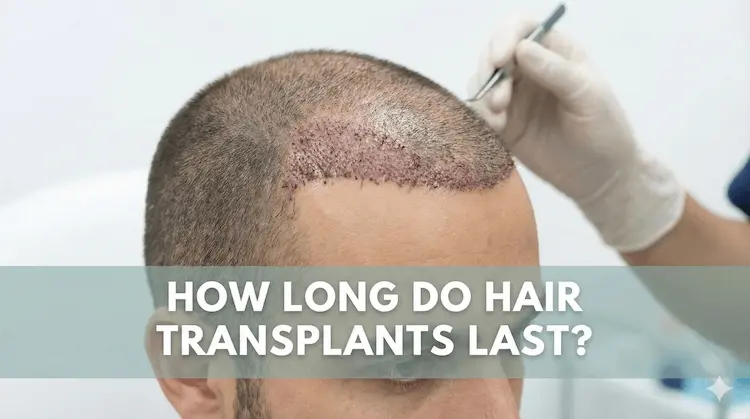
How Long Does a Hair Transplant Last: Is It Permanent?
How long does a hair transplant last? This is a common inquiry among individuals considering hair restoration. Hair transplants offer a potentially permanent solution for hair loss, often utilizing the patient's own follicles to ensure natural-looking growth. The longevity of a hair transplant largely depends on factors such as the technique used, the surgeon’s expertise, and the patient’s adherence to post-operative care. While results can last a lifetime, patients may experience changes due to age-related hair thinning. Choosing experienced professionals and following recommended care routines can significantly enhance the durability and success of the procedure.
For many individuals experiencing hair loss, the decision to undergo a procedure is not just about aesthetics; it is an investment in self-confidence. The most pressing question naturally follows: how long does a hair transplant last? Is this a fleeting fix, or can you expect a lifetime of growth?
Understanding the longevity of hair restoration requires a look at the biology of hair, the technical precision of the procedure, and the commitment to long-term hair maintenance. In this comprehensive guide, we will explore the factors that determine hair transplant permanence and what you can realistically expect from your results.
The Science of Permanence: Why It Usually Lasts a Lifetime
The primary reason a hair transplant is considered permanent lies in the "donor dominance" theory. Hair follicles harvested for transplantation are typically taken from the back and sides of the scalp. These areas are genetically programmed to be resistant to Dihydrotestosterone (DHT), the hormone responsible for androgenetic alopecia (pattern baldness).
When these DHT-resistant follicles are moved to thinning areas, they retain their genetic traits. This is the cornerstone of hair transplant permanence. While the surrounding original hair may continue to thin over time, the transplanted grafts are designed to stay for the duration of your natural hair lifespan.
The Hair Regrowth Cycle After Surgery
Patience is key in the months following your procedure. The hair regrowth cycle after a transplant follows a specific, often stressful, timeline:
- The Dormant Phase (1–3 Months): Shortly after the procedure, the transplanted hair shafts fall out. This is known as "shock loss."
- The Emergence Phase (3–6 Months): New, fine hairs begin to break through the surface.
- The Maturation Phase (6–12 Months): The hair becomes thicker, darker, and achieves its final texture.
- Full Results (12–18 Months): By this point, you can see the final density and coverage.
Factors That Influence the Longevity of Hair Restoration
While the procedure is technically permanent, several variables can affect how your hair looks 10 or 20 years down the line.
1. The Surgeon's Expertise and Technique
The hair transplant success rate is heavily dependent on the skill of the medical team. Whether using Follicular Unit Extraction (FUE) or Follicular Unit Transplantation (FUT), the grafts must be handled with extreme care.
2. Patient Age and Progression of Hair Loss
If a transplant is performed too early in life, the patient may continue to lose their original, non-transplanted hair behind the graft site. A strategic plan ensures the longevity of hair restoration.
3. Systematic Health and Lifestyle
General health plays a role in the natural hair lifespan. Chronic conditions, severe stress, or nutritional deficiencies can lead to thinning even in transplanted areas.
Essential Post-Transplant Care
The first few weeks after surgery are critical for ensuring the grafts "take" successfully. Proper post-transplant care acts as the foundation for your results.
- Gentle Washing: Following specific protocols to remove scabs without dislodging grafts.
- Physical Activity: Avoiding strenuous exercise for the first 14 days.
- Sun Protection: Protecting your scalp from UV rays to prevent follicle damage.
Pro Tip: Always follow your surgeon's specific "aftercare kit" instructions. The success of the procedure is a 50/50 partnership between the surgeon's skill and your adherence to recovery protocols.
Long-Term Hair Maintenance: Keeping the Results Lush
A successful surgery doesn't mean you should ignore your hair health. To maximize the hair transplant success rate, long-term hair maintenance is often recommended.
Medical Therapies
Many surgeons recommend medications like Finasteride or Minoxidil to help preserve the existing native hair around the transplant.
Platelet-Rich Plasma (PRP) Therapy
PRP injections use your own blood plasma to stimulate the scalp and may increase thickness in the hair regrowth cycle.
Conclusion: Is It Worth It?
When asking how long does a hair transplant last, the answer is: with the right surgeon and proper care, it lasts a lifetime. By understanding the hair regrowth cycle and committing to post-transplant care, you ensure that the density achieved today remains with you for years to come.